
A lingering topic of the Fukushima incident has been how to go forward. Should nuclear plants in Japan be improved or discontinued. What have been revealed to reporter Hirotoshi Ito by industry insiders are the massive business deals being prepared behind this important social issue.
According to Ito, what we don’t see occurring is what he calls “backspin business” which is profit made off of situations that undo previous progress. Key players that once had the now-dubious honor of building a strong, clean, and safe nuclear power infrastructure are making preparations to profit from its damage.
For example, Tokyo Electric Power Company (TEPCO) has long struggled with the task of disposing of nuclear waste. Local residents of all TEPCO’s desired locations have been understandably hesitant to accept tons of radioactive material into their neighborhoods. Luckily for TEPCO the wasteland of the likely to be decommissioned Fukushima Daini (Number 2) Reactor is now the perfect place for them to set-up a decontamination factory.
Geologically it’s a nice fit due to the shallow bedrock perfect for such an installation. In addition, TEPCO doesn’t have to worry about pesky resistance from concerned residents since one of the worst nuclear accidents in the world already occurred right next door.
Even in 2009, the mayor of Naraha Town, where part of the Daini reactor lies, agreed to let TEPCO set up a waste management facility there, on the suggestion of part of the Japan Atomic Energy Agency (JAEA) then known as Power Reactor and Fuel Development (PNC). Although the city later changed its mind, recent developments and its original acceptance make this deal likely to go through now.
The closing of the Daini Reactor may sound like the end of a progressive nuclear industry and the beginning of Ito’s “backspin business” where companies now make money taking down the mess that they themselves created. However, a former TEPCO employee says different. The company is preparing to create nuclear plants that can withstand any possible threat.
These “perfect nuclear plants” are being designed and tested for situations well beyond what we can realistically expect to happen. Failsafe on top of failsafe is being prepared to make sure that the reactor core can be shut down and cooled in any emergency from anywhere.
This sounds all fine and well but where will TEPCO get the money to pay for all this. For instance, one pump that would have been able to overcome the pressure in the core at Fukushima and allow coolant to be sent in, costs tens of billions of yen. Expect this money to come from the government (via taxpayers) or higher electric bills.
At the moment TEPCO is beaten and can’t expect to see real profits for quite some time. The real winners in this new business are the manufacturers namely Toshiba, Hitachi, and Mitsubishi. These three companies are in a great position to market their experience with Fukushima overseas as “leaders in nuclear safety” in addition to receiving the largely government money for their work on the “perfect plants.”
General contractors are also in line to rake in money. Thanks to their friends at the JAEA, three companies, Kashima, Obayashigumi, and Taiseikensetsu were responsible for building 45 of Japan’s nuclear plants. Now they are looking to JAEA for work decontaminating 12 cities in Fukushima Prefecture. The Japanese government has entrusted JAEA with management of clean-up efforts in the area. If you recall, one of JAEA’s previous incarnations, the PNC, was responsible for the Monju Nuclear Plant accident and cover-up. JAEA has since been bogged down in an expensive effort to restart and maintain that plant for over a decade.
One benefit to regular citizens is the trickle-down revenue local business can make from clean-up crews. Beyond that, the largest investors in this massive project, the Japanese taxpayers, are taking all the risk and getting no dividends. Meanwhile in the words of one TEPCO employee “after the closing and decontamination, [these companies] will be able to put food on the table for decades.”
Original Story: NewsPostSeven
 U.S. military personnel launch US$5 billion lawsuit against Tokyo Electrical Power Company
 First worker to die from Fukushima radiation exposure officially recognized by Japan’s government
 TEPCO in hot water for use of tasteless hashtag in recent tweet about Fukushima Nuclear Plant
 Take a tour of the Fukushima Daiichi Nuclear Power Plant seven years after the disaster 【Video】
 Haruki Murakami’s solution to the nuclear power debate in Japan: Actually call it “nuclear power”
 Japan’s massive matcha parfait weighs 6 kilos, contains hidden surprises for anyone who eats it
 French Fries Bread in Tokyo’s Shibuya becomes a hit on social media
 Tokyo Tsukiji fish market site to be redeveloped with 50,000-seat stadium, hotel, shopping center
 Beautiful Red and Blue Star luxury trains set to be Japan’s new Hokkaido travel stars
 Japanese ramen restaurants under pressure from new yen banknotes
 Historical figures get manga makeovers from artists of Spy x Family, My Hero Academia and more
 Pokémon Sleep camping suite and guestrooms coming to Tokyo Hyatt along with giant Snorlax burgers
 McDonald’s new Happy Meals offer up cute and practical Sanrio lifestyle goods
 Sakura tree falls on man at Sannenzaka near Kiyomizu temple in Kyoto 【Breaking News】
 Beautiful Sailor Moon manhole cover coasters being given out for free by Tokyo tourist center
 All-you-can-drink Starbucks and amazing views part of Tokyo’s new 170 meter-high sky lounge
 Studio Ghibli releases new action figures featuring Nausicaä of the Valley of the Wind characters
 New private rooms on Tokaido Shinkansen change the way we travel from Tokyo to Kyoto
 Red light district sushi restaurant in Tokyo shows us just how wrong we were about it
 Studio Ghibli glasses cases let anime characters keep an eye on your spectacles
 Beautiful Ghibli sealing wax kits let you create accessories and elegant letter decorations【Pics】
 Studio Ghibli releases Kiki’s Delivery Service chocolate cake pouches in Japan
 New definition of “Japanese whiskey” goes into effect to prevent fakes from fooling overseas buyers
 Our Japanese reporter visits Costco in the U.S., finds super American and very Japanese things
 Studio Ghibli unveils Mother’s Day gift set that captures the love in My Neighbour Totoro
 New Japanese KitKat flavour stars Sanrio characters, including Hello Kitty
 More foreign tourists than ever before in history visited Japan last month
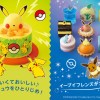 New Pokémon cakes let you eat your way through Pikachu and all the Eevee evolutions
 Sales of Japan’s most convenient train ticket/shopping payment cards suspended indefinitely
 Sold-out Studio Ghibli desktop humidifiers are back so Totoro can help you through the dry season
 Japanese government to make first change to romanization spelling rules since the 1950s
 Ghibli founders Toshio Suzuki and Hayao Miyazaki contribute to Japanese whisky Totoro label design
 Doraemon found buried at sea as scene from 1993 anime becomes real life【Photos】
 Tokyo’s most famous Starbucks is closed
 One Piece characters’ nationalities revealed, but fans have mixed opinions
 We asked a Uniqlo employee what four things we should buy and their suggestions didn’t disappoint
 Princesses, fruits, and blacksmiths: Study reveals the 30 most unusual family names in Japan
 Japan government makes cute illustrated version of radioactive isotope it plans to dump into sea
 China’s ‘Rent-a-Foreigner’ industry is booming
 Common ramen ingredient found highly effective at clearing up radioactive contamination
 Fukushima bottled water wins Gold Quality Award in the internationally coveted Monde Selection
 Strong earthquake hits Hokkaido in Japan, dozens missing and injured
 Tokyo’s 7 coolest public art pieces
 8 ways Kim Jong-Un has blindsided the US
 The dirty reason China can’t always tell North Korea what to do
 Outburst by Japanese minister at press conference overshadowed by…his Eva anime tie
 New species of mayfly discovered in Fukushima that can never get their prescription glasses
 U.S. military in Japan bulk buys Japanese scallops as China’s Japanese seafood ban continues
 New research suggests even low-level radiation in Fukushima negatively impacting wildlife
 Strong earthquake hits Japan as anniversary of Fukushima disaster approaches【Photos, Videos】
 Discovery of unregistered radioactive substance in Japanese university shocks students
 Single snake sparks power outage for nearly 10,000 homes in Fukushima
Leave a Reply