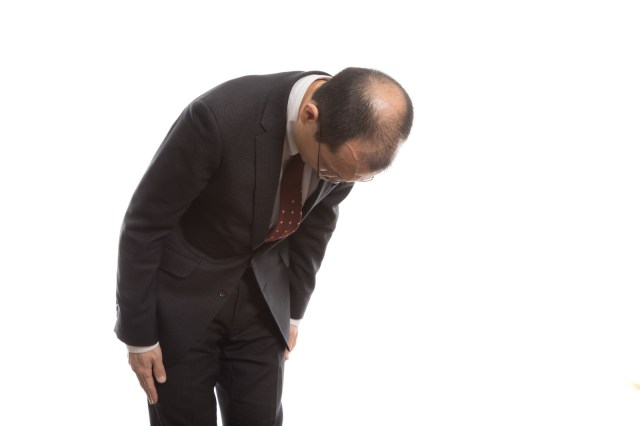
The publishing president is “deeply reflecting” on his “inappropriate comments” during his recent appearance on a TV program.
Bringing you yesterday's news from Japan and Asia, today.
publishing
The publishing president is “deeply reflecting” on his “inappropriate comments” during his recent appearance on a TV program.

The publisher of Shonen Jump + is teaming with digital distributor MediBang to hold an amateur manga submission contest. Those who make the cut will see their manga on the virtual pages of the magazine!
Gone are the days when schoolbooks were made up of pages and pages of text. Today’s textbooks are just as likely to be filled with glossy, colourful images to engage and entertain students. This Thai textbook publisher, however, has come under fire for apparently sourcing an image from the internet to use on a book’s front cover – which turned out to be a photo of a Japanese adult video star.
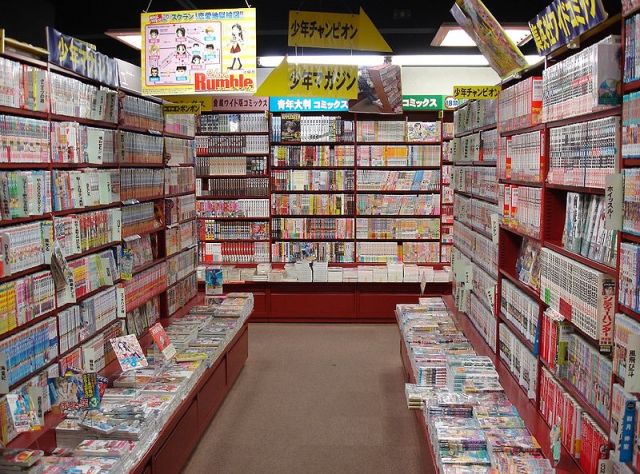
The spring holiday known as Golden Week is upon us in Japan, and if you would like to lay claim to the title of manga super fan, you may want to spend your days off reading these canonical series. Without further ado, here are the 20 most popular manga of all time, based on publication numbers!

Japanese publisher Kodansha reported its financial results for the 2013 fiscal year (December 2012 to November 2013) on Thursday. The company garnered 120.272 billion yen (about US$1.173-billion) in revenue, a 2.0% increase from the previous fiscal year. The publisher’s profits increased by 107.3% to 3.214 billion yen (US$31.346 million). This is Kodansha’s first revenue increase in 18 years and its first increase in both revenue and profit in 19 years.
 Tokyo Tsukiji fish market site to be redeveloped with 50,000-seat stadium, hotel, shopping center
 Japanese ramen restaurants under pressure from new yen banknotes
 McDonald’s new Happy Meals offer up cute and practical Sanrio lifestyle goods
 Beautiful Red and Blue Star luxury trains set to be Japan’s new Hokkaido travel stars
 We tried Korea’s way-too-big King Tonkatsu Burger at Lotteria 【Taste Test】
 Mt. Koya planning to instate visitor’s tax to cope with huge tourist numbers
 New private rooms on Tokaido Shinkansen change the way we travel from Tokyo to Kyoto
 French Fries Bread in Tokyo’s Shibuya becomes a hit on social media
 Pokémon Sleep camping suite and guestrooms coming to Tokyo Hyatt along with giant Snorlax burgers
 Sakura tree falls on man at Sannenzaka near Kiyomizu temple in Kyoto 【Breaking News】McDonald’s new Happy Meals offer up cute and practical Sanrio lifestyle goods
 All-you-can-drink Starbucks and amazing views part of Tokyo’s new 170 meter-high sky lounge
 More foreign tourists than ever before in history visited Japan last month
 Starbucks reopens at Shibuya Scramble Crossing with new look and design concept
 Studio Ghibli releases new action figures featuring Nausicaä of the Valley of the Wind charactersFrench Fries Bread in Tokyo’s Shibuya becomes a hit on social media
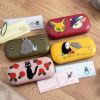 Studio Ghibli glasses cases let anime characters keep an eye on your spectacles
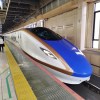 Is the new Shinkansen Train Desk ticket worth it?New private rooms on Tokaido Shinkansen change the way we travel from Tokyo to Kyoto
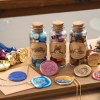 Beautiful Ghibli sealing wax kits let you create accessories and elegant letter decorations【Pics】McDonald’s new Happy Meals offer up cute and practical Sanrio lifestyle goods
 Studio Ghibli releases Kiki’s Delivery Service chocolate cake pouches in Japan
 New definition of “Japanese whiskey” goes into effect to prevent fakes from fooling overseas buyers
 Our Japanese reporter visits Costco in the U.S., finds super American and very Japanese things
 Studio Ghibli unveils Mother’s Day gift set that captures the love in My Neighbour Totoro
 Domino’s Japan now sells…pizza ears?
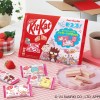 New Japanese KitKat flavour stars Sanrio characters, including Hello KittyAll-you-can-drink Starbucks and amazing views part of Tokyo’s new 170 meter-high sky loungeMore foreign tourists than ever before in history visited Japan last month
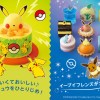 New Pokémon cakes let you eat your way through Pikachu and all the Eevee evolutions
 Sales of Japan’s most convenient train ticket/shopping payment cards suspended indefinitelyMcDonald’s new Happy Meals offer up cute and practical Sanrio lifestyle goods
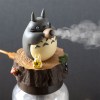 Sold-out Studio Ghibli desktop humidifiers are back so Totoro can help you through the dry season
 Japanese government to make first change to romanization spelling rules since the 1950s
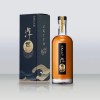 Ghibli founders Toshio Suzuki and Hayao Miyazaki contribute to Japanese whisky Totoro label design
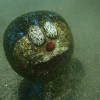 Doraemon found buried at sea as scene from 1993 anime becomes real life【Photos】
 Tokyo’s most famous Starbucks is closed
 One Piece characters’ nationalities revealed, but fans have mixed opinions
 We asked a Uniqlo employee what four things we should buy and their suggestions didn’t disappoint
 Princesses, fruits, and blacksmiths: Study reveals the 30 most unusual family names in Japan
 Mt. Koya planning to instate visitor’s tax to cope with huge tourist numbers
 New private rooms on Tokaido Shinkansen change the way we travel from Tokyo to Kyoto
 French Fries Bread in Tokyo’s Shibuya becomes a hit on social media
 Pokémon Sleep camping suite and guestrooms coming to Tokyo Hyatt along with giant Snorlax burgers
 Sakura tree falls on man at Sannenzaka near Kiyomizu temple in Kyoto 【Breaking News】
 Studio Ghibli releases new action figures featuring Nausicaä of the Valley of the Wind characters
 Is the all-you-can-eat KFC buffet in Tokyo really as good as they say it is?
 Starbucks reopens at Shibuya Scramble Crossing with new look and design concept
 Beautiful Ghibli sealing wax kits let you create accessories and elegant letter decorations【Pics】
 Hungry and on the go? Top 10 ranking of ekiben at Tokyo’s Shinagawa Station
 Japanese company starts project to restore Nakagin Capsules to capsule hotel
 Better than Apple EarPods? Our 100 yen shop earphone showdown finds a true champion
 Ghibli Park opens final area to first visitors, with stunning new attractions and shops 【Videos】
 The oldest tunnel in Japan is believed to be haunted, and strange things happen when we go there