Fukushima
A decade after the 3-11 earthquake, tsunami, and nuclear incident, all Japanese produce from the affected areas has an open path to the U.S.
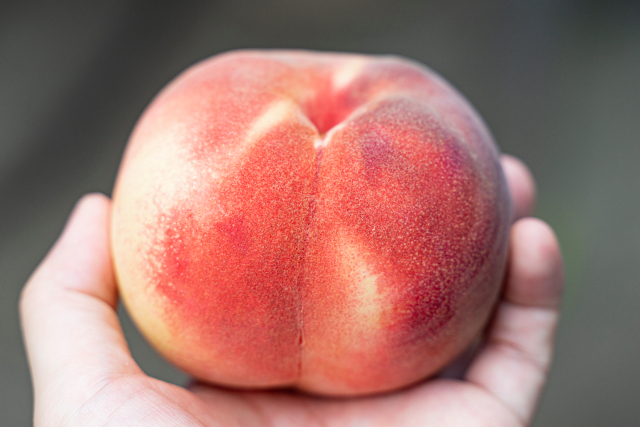
Australia and the United States have been vocal about their love for these Japanese peaches, so we buy a box and try them out.
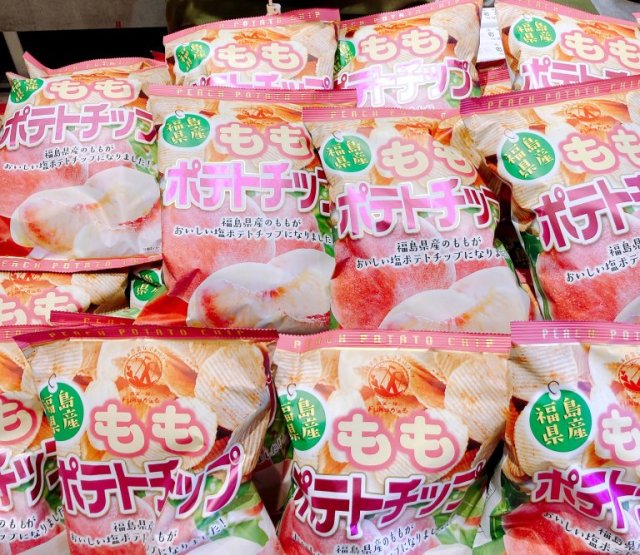
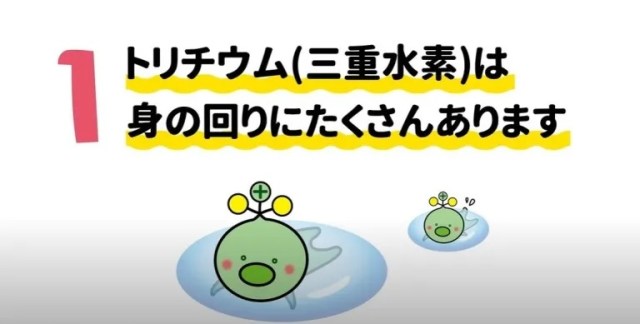
Awareness campaign for plan to dump radioactive water into ocean lands creators in hot water.
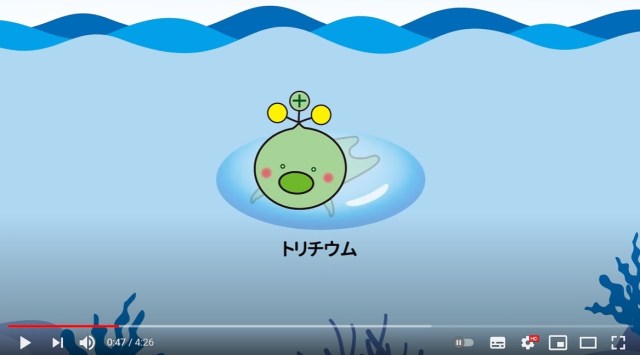
Video released on same day approval is granted for waste water project at Fukushima nuclear power plant.
Sensors were installed last spring at Reactor 3 building, registered no shaking in this month’s 7.1-magnitude quake.
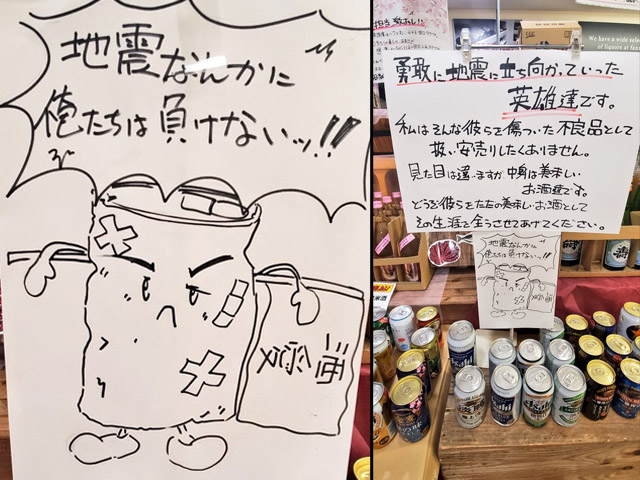
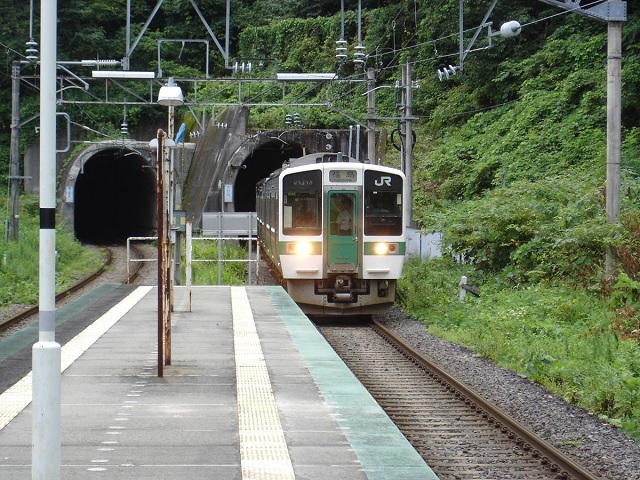
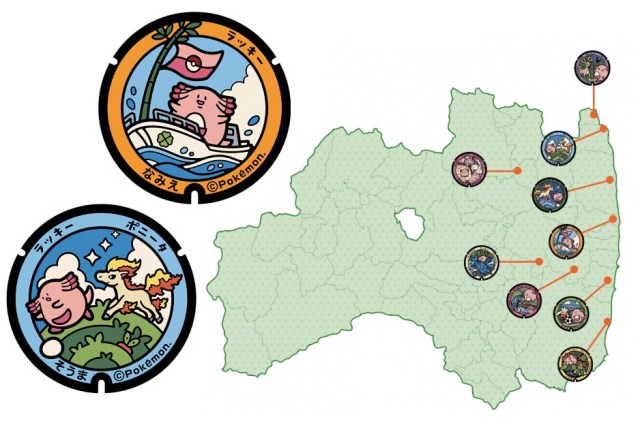

As we reach almost a decade since the tragic incident which displaced over 100,000 individuals, Mother Nature makes her comeback.
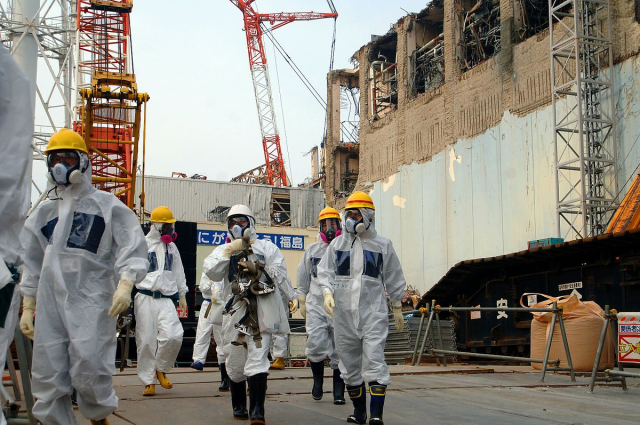
Tokyo Electric Power Company plans to use new visa rules to add foreign staff to its 2011 earthquake/tsunami cleanup efforts.
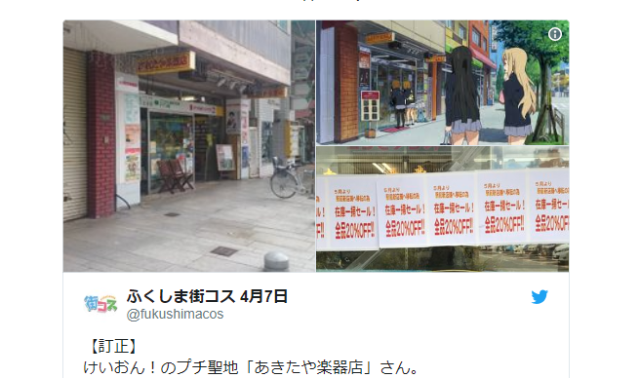
If this particular anime pilgrimage spot was on your bucket list, you won’t be able to cross it off anymore (well, at least in its original location).
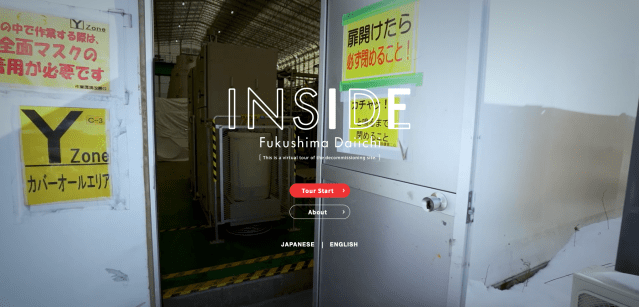
TEPCO seeks to redeem its reputation with the public by offering virtual tours of the site in Japanese and English.
MOST POPULAR
Now
 Life-size vibrating Legend of Zelda Master Sword for sale from Nintendo【Photos】
 Yes, our new smartphone looks like at least two Studio Ghibli anime characters, Sharp says
 Gorgeous matcha ajisai parfait ice cream bars appear just in time for hydrangea season
 Japanese public toilet becomes a tourist attraction in Tokyo
 Rage against the smoothie machine with this 7-Eleven drink hack【Taste test】
 You can now buy Shinkansen first-class oshibori moist towelettes online, no ticket required
 Does adding matcha to mayonnaise change the taste as much as the look?
 Enjoy a Pokémon tea ceremony with new matcha goods featuring Poltchageist and Sinistcha
 New Tokyo restaurant charges higher prices to foreign tourists than Japanese locals
 Former employee shows us why a Starbucks “Tall Latte” is a sucker bet
Weekly
- Life-size vibrating Legend of Zelda Master Sword for sale from Nintendo【Photos】
- New Tokyo restaurant charges higher prices to foreign tourists than Japanese locals
 “Mt. Fuji convenience store” issues apology for bad tourist manners, adds multilingual signs
- Yes, our new smartphone looks like at least two Studio Ghibli anime characters, Sharp says
 Tokyo’s famous Lost in Translation hotel is closed
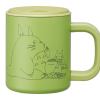 Studio Ghibli releases new mug and tumbler collection featuring Jiji and Totoro
- Japanese public toilet becomes a tourist attraction in Tokyo
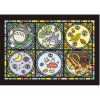 Studio Ghibli releases art crystal puzzles and folding umbrellas for rainy season in Japan
 Tokyo sweets store sells beautiful soft serve ice creams that look like works of art
 How to make a secret rice bowl at Ichiran ramen
Monthly
 McDonald’s new Happy Meals offer up cute and practical Sanrio lifestyle goods
 Foreigner’s request for help in Tokyo makes us sad for the state of society
- Life-size vibrating Legend of Zelda Master Sword for sale from Nintendo【Photos】
- New Tokyo restaurant charges higher prices to foreign tourists than Japanese locals
- “Mt. Fuji convenience store” issues apology for bad tourist manners, adds multilingual signs
- Yes, our new smartphone looks like at least two Studio Ghibli anime characters, Sharp says
 Japanese ramen restaurants under pressure from new yen banknotes
- Tokyo’s famous Lost in Translation hotel is closed
 Bad tourist manners at Mt Fuji Lawson photo spot prompts Japanese town to block view with screens
 All-you-can-drink Starbucks and amazing views part of Tokyo’s new 170 meter-high sky lounge
Yearly
- McDonald’s new Happy Meals offer up cute and practical Sanrio lifestyle goods
 Sales of Japan’s most convenient train ticket/shopping payment cards suspended indefinitely
 Sold-out Studio Ghibli desktop humidifiers are back so Totoro can help you through the dry season
 Japanese government to make first change to romanization spelling rules since the 1950s
- Foreigner’s request for help in Tokyo makes us sad for the state of society
 Ghibli founders Toshio Suzuki and Hayao Miyazaki contribute to Japanese whisky Totoro label design
 Tokyo’s most famous Starbucks is closed
 Doraemon found buried at sea as scene from 1993 anime becomes real life【Photos】
 One Piece characters’ nationalities revealed, but fans have mixed opinions
 We asked a Uniqlo employee what four things we should buy and their suggestions didn’t disappoint
RECOMMENDED STORIES
 You can now buy Shinkansen first-class oshibori moist towelettes online, no ticket required
 Does adding matcha to mayonnaise change the taste as much as the look?
 Enjoy a Pokémon tea ceremony with new matcha goods featuring Poltchageist and Sinistcha
 New Tokyo restaurant charges higher prices to foreign tourists than Japanese locals
 Former employee shows us why a Starbucks “Tall Latte” is a sucker bet
 Tokyo DisneySea’s new Fantasy Springs area reveals the beauty of Rapunzel’s Forest
 New bento bread makes us rethink sandwiches…and Japanese bentos
 Japanese prefectural governor wants foreign tourists to pay special extra fee
 Sushi Ramen restaurant serves up the best of both worlds in one epic Japanese meal
 One of Japan’s oldest castles now lets travelers spend night on the grounds, drink in its keep
 Ridesharing services legalized for Tokyo and Kyoto, but does this change anything?
 McDonald’s Japan has free smiles on its delivery menu, but does asking for one make a difference?
 Dragon Ball Trunk’s jacket on sale, gives you the look of a ‘90s anime hero today!【Photos】
 A visit to the best UFO catcher arcade in the universe!
-
