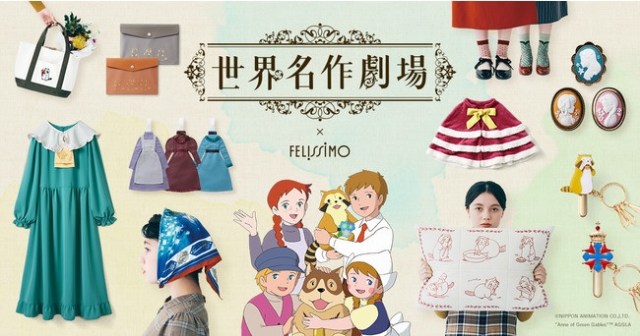
Anime versions of Anne of Green Gables, Dog of Flanders, and more inspire stylish and adorable designs.
Bringing you yesterday's news from Japan and Asia, today.
literature
Anime versions of Anne of Green Gables, Dog of Flanders, and more inspire stylish and adorable designs.

Ever wondered what literary greats like Natsume Soseki and Osamu Dazai would look like as felines?

The Japanese author’s snub signals the arrival of cooler weather, according to Japanese netizens.

You’ve seen Sir Arthur Conan Doyle’s famous detective as a dog, a girl, and even Benedict Cumberbatch’s turn as the character as its own manga. A character of near infallible logic is transforming again, this time into an android.
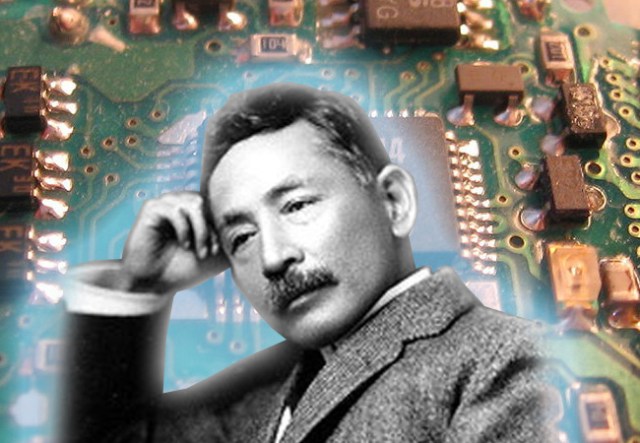
Soseki Natsume: writer, a man long dead. We can rebuild him. We have the technology. We can make him better than he was: better, stronger, faster…
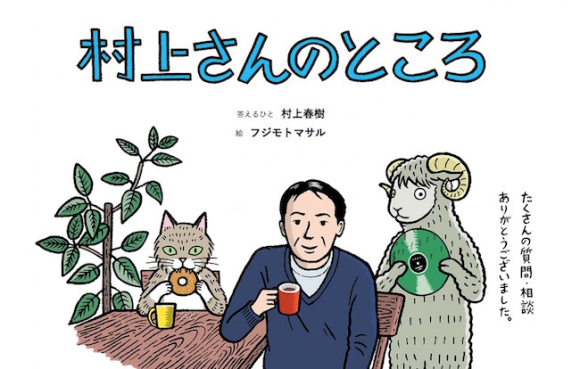
Haruki Murakami has answered many questions from readers on his blog since it opened in January, ranging from the meaning of life to nuclear power to TV addiction, but now it has closed up shop. Murakami will be selecting the best questions and answers and publishing them plus some extras in a new book in the near future.
With the full corpus of questions and answers still available online though, some fans have gone through and discovered an interesting part of Murakami’s life that was unknown up until now: his sad marriage.
Murakami makes numerous comments directly and indirectly about his wife and their life together, and after reading all of them you really start to feel sorry for the guy.
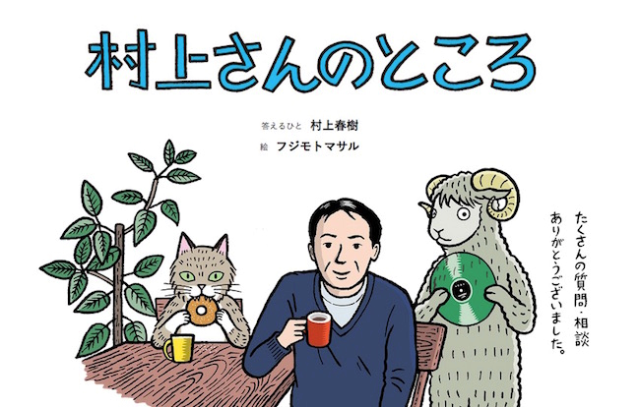
You may have heard that legendary Japanese novelist Haruki Murakami runs a blog where he answers questions sent in by readers. He’s tackled subjects ranging from the meaning of life to how to become a writer to what animal ability he’d like to have.
In one of his most recent questions, Murakami gives his opinion on a very touchy subject in Japan: nuclear power. Instead of calling out for reform or regulations though, he suggests one very simple change: that Japanese people refer to what they currently call “atomic energy power plants” as “nuclear power plants” instead.
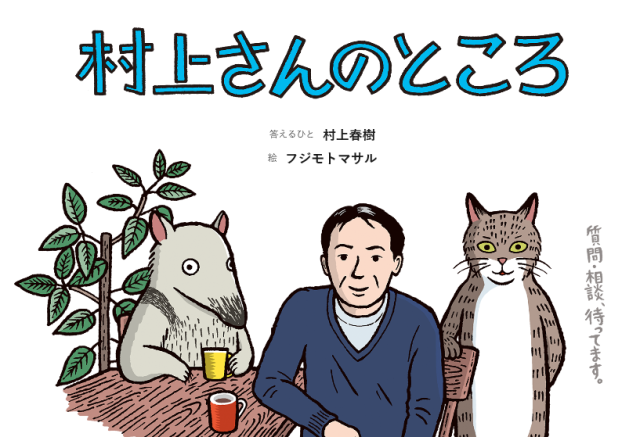
Earlier this month, we talked about a piece of not-so-helpful advice celebrated author Haruki Murakami gave to a fan about what makes a great writer. Murakami just his write-in website this month, though, and given that he’s sort of new at dishing out direct advice to his admirers, maybe we should cut him a little slack while he’s still getting the hang of it.
Then again, we’re not sure even the most experienced advice columnists could come up with considerate and helpful responses to some of the oddball questions Murakami has been getting. Thankfully, even if he can’t always help out those who write to him, he can at least give a laugh to everyone else who reads his responses. Even better, if you act quickly, you could ask him a question of your own, even if you don’t speak Japanese.
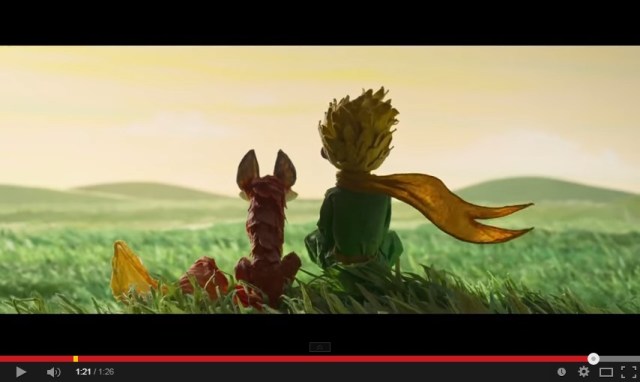
Calling all movie-goers, animation fans and literature enthusiasts! It’s not often that we get the chance to pique the interest of individuals from these three groups all at the same time, but the animated version of The Little Prince, one of the most famed pieces of French literature of our time, is set to hit the big screens in the later half of this year! If you haven’t already seen the trailer, read on and get ready to be mesmerized!
Among contemporary writers, there’s no Japanese author with a bigger international following than Haruki Murakami. The novelist and translator is also highly respected within his home country, as Japan holds an especially deep respect for any of its citizens who succeed in making a name for themselves on the international stage.
As such, we imagine one young graduate student was hoping for some sage advice when she contacted Murakami and asked him for pointers on how to become a better writer. The response she got was as surprising, unique, and challenging as Murakami’s books themselves.
When it comes to reading famous literary works whose copyright license has expired, there is one piece of software that is renowned for doing the job rather well. It goes by the name of “Aozora Bunko” and is a digital contents reader available on a wide variety of devices; there’s even a version available for smart phone users. It is currently host to a plethora of copyright-free material rich in Japanese history and culture. What’s particularly exciting is that the more time goes by, the more the library of works can be seen to grow.
Anyone with an interest in old Japanese masterpieces – and can read Japanese – will surely be lured in by what this software has to offer. In this connection, on January 1 this year, the legendary writer Eiji Yoshikawa’s work “Miyamoto Musashi” is also set to be added to the collection. Miyamoto Musashi is a bestselling novel depicting the life of legendary samurai Musashi Miyamoto, who actually existed during the Japanese Edo era.
Just what makes all this free content possible is the rule that governs copyright licensing laws: 50 years after an author has passed away, copyrighted works are released freely into the public domain.
 Foreigner’s request for help in Tokyo makes us sad for the state of society
 Japanese city loses residents’ personal data, which was on paper being transported on a windy day
 Historical figures get manga makeovers from artists of Spy x Family, My Hero Academia and more
 Harajuku Station’s beautiful old wooden building is set to return, with a new complex around it
 Suntory x Super Mario collaboration creates a clever way to transform into Mario【Videos】
 Starbucks Japan releases new mugs and gifts for Mother’s Day
 Ghibli Park now selling “Grilled Frogs” from food cart in Valley of Witches
 Red light district sushi restaurant in Tokyo shows us just how wrong we were about it
 Sandwiches fit for a sumo served up in Osaka【Taste Test】
 Akihabara pop-up shop sells goods made by Japanese prison inmates
 McDonald’s new Happy Meals offer up cute and practical Sanrio lifestyle goodsForeigner’s request for help in Tokyo makes us sad for the state of society
 Japanese ramen restaurants under pressure from new yen banknotes
 French Fries Bread in Tokyo’s Shibuya becomes a hit on social media
 Studio Ghibli releases new action figures featuring Nausicaä of the Valley of the Wind characters
 New private rooms on Tokaido Shinkansen change the way we travel from Tokyo to KyotoRed light district sushi restaurant in Tokyo shows us just how wrong we were about it
 Tokyo Tsukiji fish market site to be redeveloped with 50,000-seat stadium, hotel, shopping center
 All-you-can-drink Starbucks and amazing views part of Tokyo’s new 170 meter-high sky lounge
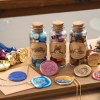 Beautiful Ghibli sealing wax kits let you create accessories and elegant letter decorations【Pics】McDonald’s new Happy Meals offer up cute and practical Sanrio lifestyle goodsForeigner’s request for help in Tokyo makes us sad for the state of society
 Studio Ghibli releases Kiki’s Delivery Service chocolate cake pouches in Japan
 New definition of “Japanese whiskey” goes into effect to prevent fakes from fooling overseas buyers
 Our Japanese reporter visits Costco in the U.S., finds super American and very Japanese things
 Studio Ghibli unveils Mother’s Day gift set that captures the love in My Neighbour TotoroJapanese ramen restaurants under pressure from new yen banknotesAll-you-can-drink Starbucks and amazing views part of Tokyo’s new 170 meter-high sky lounge
 More foreign tourists than ever before in history visited Japan last month
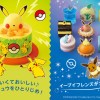 New Pokémon cakes let you eat your way through Pikachu and all the Eevee evolutionsMcDonald’s new Happy Meals offer up cute and practical Sanrio lifestyle goods
 Sales of Japan’s most convenient train ticket/shopping payment cards suspended indefinitely
 Sold-out Studio Ghibli desktop humidifiers are back so Totoro can help you through the dry season
 Japanese government to make first change to romanization spelling rules since the 1950s
 Ghibli founders Toshio Suzuki and Hayao Miyazaki contribute to Japanese whisky Totoro label design
 Doraemon found buried at sea as scene from 1993 anime becomes real life【Photos】
 Tokyo’s most famous Starbucks is closed
 One Piece characters’ nationalities revealed, but fans have mixed opinions
 We asked a Uniqlo employee what four things we should buy and their suggestions didn’t disappoint
 Princesses, fruits, and blacksmiths: Study reveals the 30 most unusual family names in Japan
 Starbucks Japan releases new mugs and gifts for Mother’s Day
 Ghibli Park now selling “Grilled Frogs” from food cart in Valley of Witches
 Red light district sushi restaurant in Tokyo shows us just how wrong we were about it
 Sandwiches fit for a sumo served up in Osaka【Taste Test】
 Akihabara pop-up shop sells goods made by Japanese prison inmates
 Anime girl English teacher Ellen-sensei becomes VTuber/VVTUber and NFT
 We try out “Chan Ramen”, an underground type of ramen popular in the ramen community
 Japanese ramen restaurants under pressure from new yen banknotes
 Hey, Japanese taxi driver! Take us to your favorite restaurant in Tsuruga City!
 Do ANA international inflight meals taste better on the ground than they do in the air?
 Ginza hotel serves up one of the best breakfasts in Tokyo
 Japan’s biggest dating app says young people not interested in romance, creates AI girlfriend app