mochi
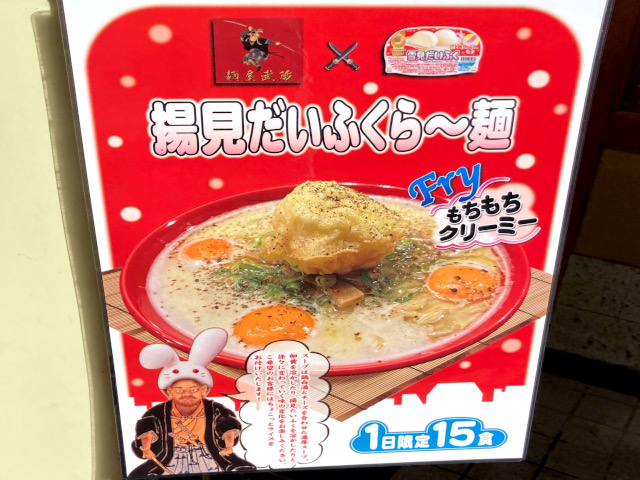
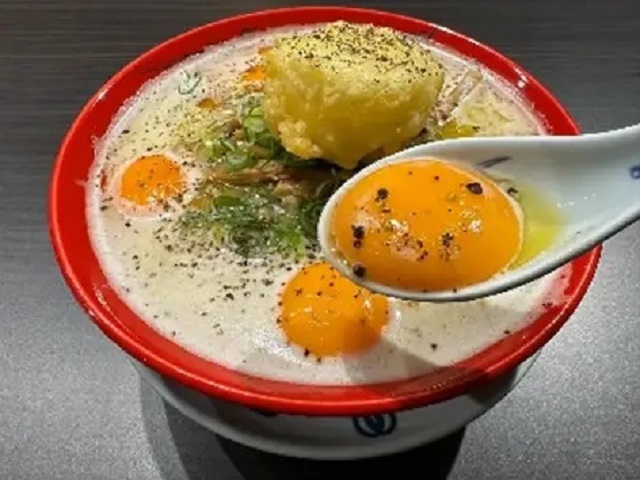
Menya Musashi’s crazy new take on ramen actually makes it taste like a different famous dish.
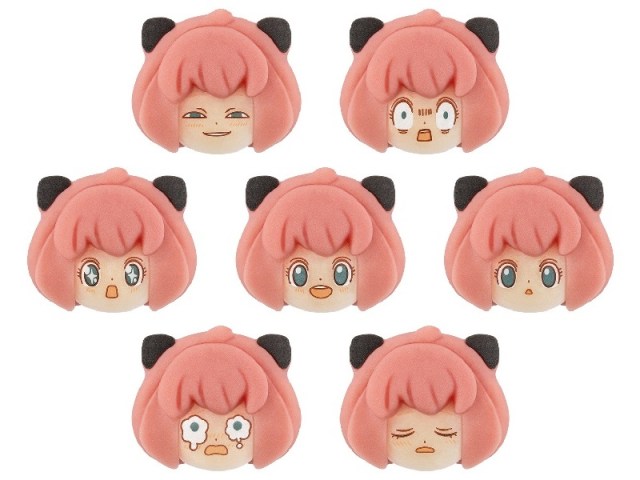
A taste of home for a Japanese expat turns into a delicious regional treat in one part of Japan.
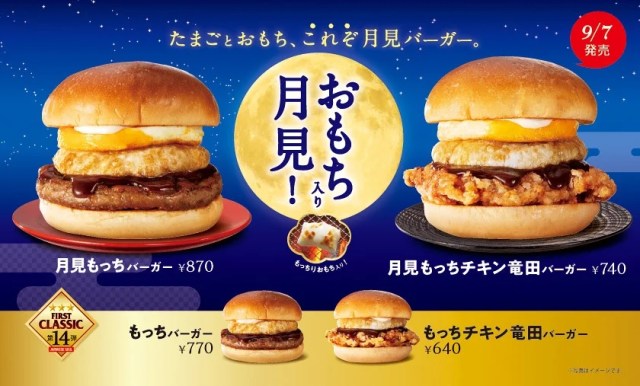
Tsukimi season continues to get tastier and tastier with two new sandwiches from First Kitchen.
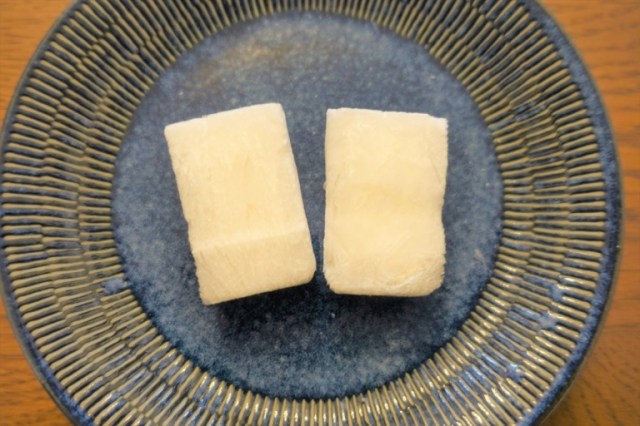
They started making korimochi in Nagano a long time ago, but you can still find and try it today.
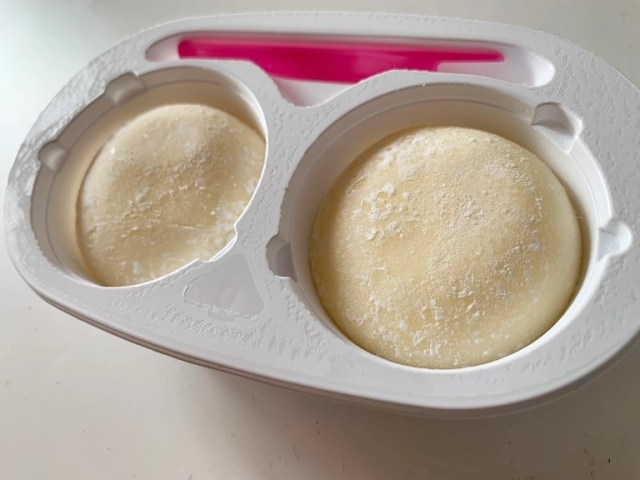
We thought everyone in Japan already knew how good these are, but somehow a very important life experience had been slipping through the cracks for Seiji.
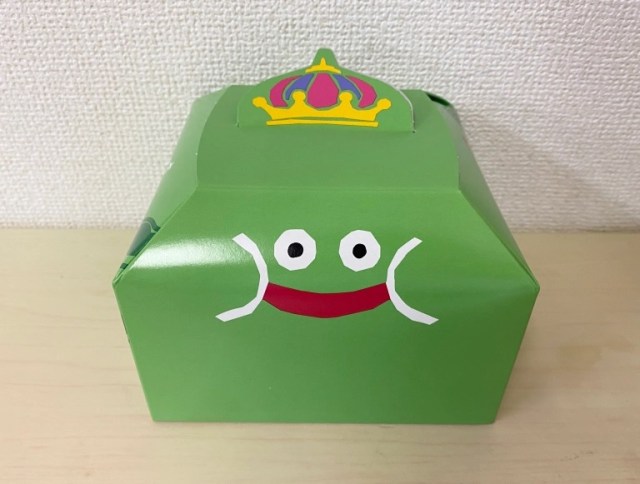
Sweet edamame Slimes draw near to our stomachs as Dragon Quest teams up with maker of northeastern Japan’s most famous traditional dessert,
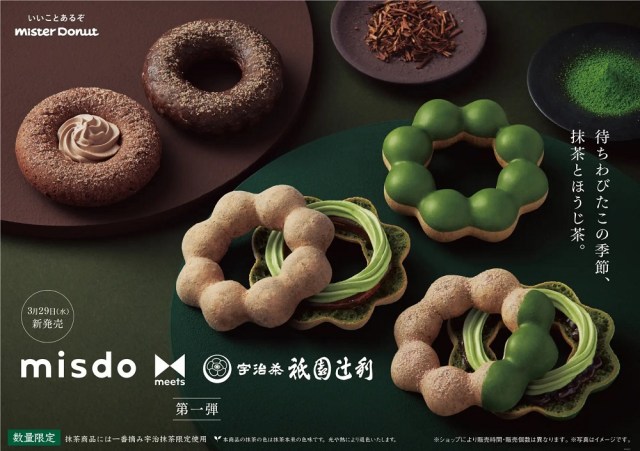
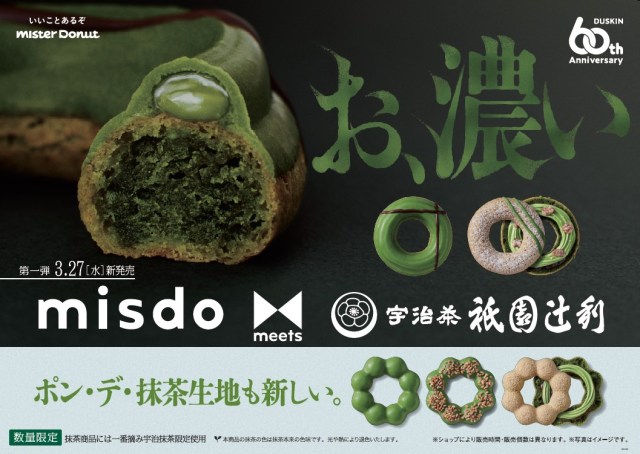
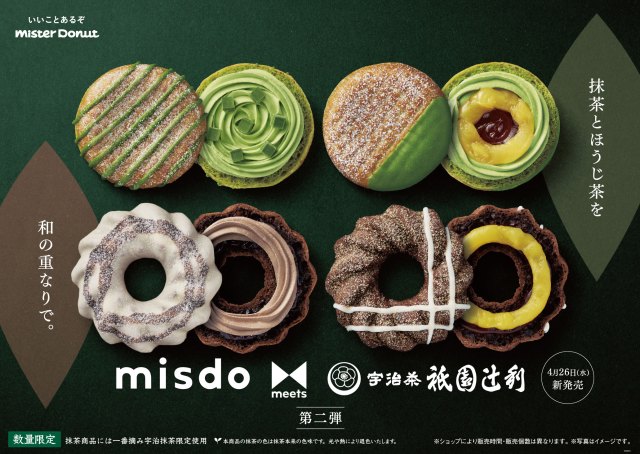
Branch also adds incredibly long-named, immensely delicious-looking matcha donut made with regional green tea to its menu.
MOST POPULAR
Now
 Foreigner’s request for help in Tokyo makes us sad for the state of society
 Japanese city loses residents’ personal data, which was on paper being transported on a windy day
 Harajuku Station’s beautiful old wooden building is set to return, with a new complex around it
 Akihabara pop-up shop sells goods made by Japanese prison inmates
 Historical figures get manga makeovers from artists of Spy x Family, My Hero Academia and more
 French Fries Bread in Tokyo’s Shibuya becomes a hit on social media
 We try out “Chan Ramen”, an underground type of ramen popular in the ramen community
 Fried sandwiches arrive in Tokyo, become hot topic on social media
 “Hey, Japanese taxi driver, take us to the best seafood joint in Otaru!”
 Our Japanese reporter visits Costco in the U.S., finds super American and very Japanese things
Weekly
 McDonald’s new Happy Meals offer up cute and practical Sanrio lifestyle goods
- Foreigner’s request for help in Tokyo makes us sad for the state of society
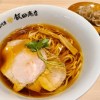 Japanese ramen restaurants under pressure from new yen banknotes
- French Fries Bread in Tokyo’s Shibuya becomes a hit on social media
 Studio Ghibli releases new action figures featuring Nausicaä of the Valley of the Wind characters
 New private rooms on Tokaido Shinkansen change the way we travel from Tokyo to Kyoto
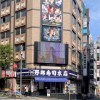 Red light district sushi restaurant in Tokyo shows us just how wrong we were about it
 Tokyo Tsukiji fish market site to be redeveloped with 50,000-seat stadium, hotel, shopping center
 All-you-can-drink Starbucks and amazing views part of Tokyo’s new 170 meter-high sky lounge
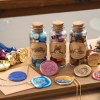 Beautiful Ghibli sealing wax kits let you create accessories and elegant letter decorations【Pics】
Monthly
- McDonald’s new Happy Meals offer up cute and practical Sanrio lifestyle goods
- Foreigner’s request for help in Tokyo makes us sad for the state of society
 Studio Ghibli releases Kiki’s Delivery Service chocolate cake pouches in Japan
 New definition of “Japanese whiskey” goes into effect to prevent fakes from fooling overseas buyers
- Our Japanese reporter visits Costco in the U.S., finds super American and very Japanese things
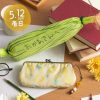 Studio Ghibli unveils Mother’s Day gift set that captures the love in My Neighbour Totoro
- Japanese ramen restaurants under pressure from new yen banknotes
- All-you-can-drink Starbucks and amazing views part of Tokyo’s new 170 meter-high sky lounge
 More foreign tourists than ever before in history visited Japan last month
 New Pokémon cakes let you eat your way through Pikachu and all the Eevee evolutions
Yearly
- McDonald’s new Happy Meals offer up cute and practical Sanrio lifestyle goods
 Sales of Japan’s most convenient train ticket/shopping payment cards suspended indefinitely
 Sold-out Studio Ghibli desktop humidifiers are back so Totoro can help you through the dry season
 Japanese government to make first change to romanization spelling rules since the 1950s
 Ghibli founders Toshio Suzuki and Hayao Miyazaki contribute to Japanese whisky Totoro label design
 Doraemon found buried at sea as scene from 1993 anime becomes real life【Photos】
 Tokyo’s most famous Starbucks is closed
 One Piece characters’ nationalities revealed, but fans have mixed opinions
 We asked a Uniqlo employee what four things we should buy and their suggestions didn’t disappoint
 Princesses, fruits, and blacksmiths: Study reveals the 30 most unusual family names in Japan
RECOMMENDED STORIES
 French Fries Bread in Tokyo’s Shibuya becomes a hit on social media
 We try out “Chan Ramen”, an underground type of ramen popular in the ramen community
 Fried sandwiches arrive in Tokyo, become hot topic on social media
 “Hey, Japanese taxi driver, take us to the best seafood joint in Otaru!”
 Our Japanese reporter visits Costco in the U.S., finds super American and very Japanese things
 Japan’s biggest dating app says young people not interested in romance, creates AI girlfriend app
 “Snow White” book banned from school for being obscene, no one sure of the part in question
 Ghibli Park now selling “Grilled Frogs” from food cart in Valley of Witches
 Is Japan’s massive Shizuoka steak sandwich really as delicious as it looks in promo photos?
 Red light district sushi restaurant in Tokyo shows us just how wrong we were about it
 Pokémon Sleep camping suite and guestrooms coming to Tokyo Hyatt along with giant Snorlax burgers
 Tokyo cafe serves up the artsiest version of a drinkable roasted sweet potato that we’ve seen yet
 Rice robot serves free refills at Japanese set meal restaurant
-
