Tokyo University

Japanese researchers use mannequin heads to prove that face coverings really do work against COVID-19.
A tiny cyborg model at the moment, this contraption marks the beginning of robots taking over humanity.

According to a study done by Lego Japan, the majority of surveyed graduates from elite universities played with Legos when they were children.
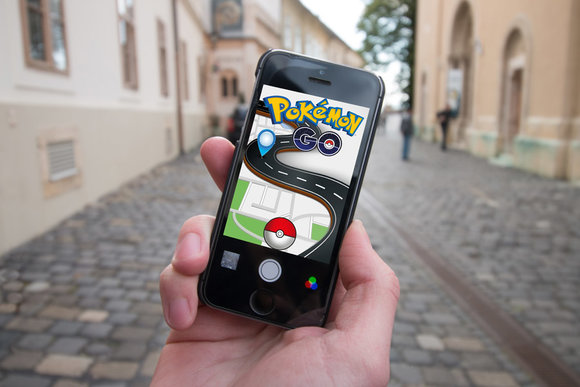
Results of first scientific study into Pokémon GO‘s health benefits reveal game lowers stress levels.
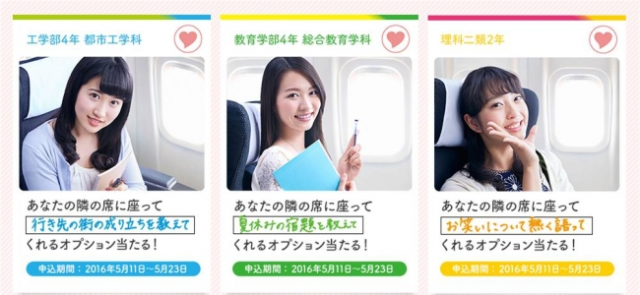
Backlash is swift for plan which offered in-flight companionship from one of five young, intelligent women.
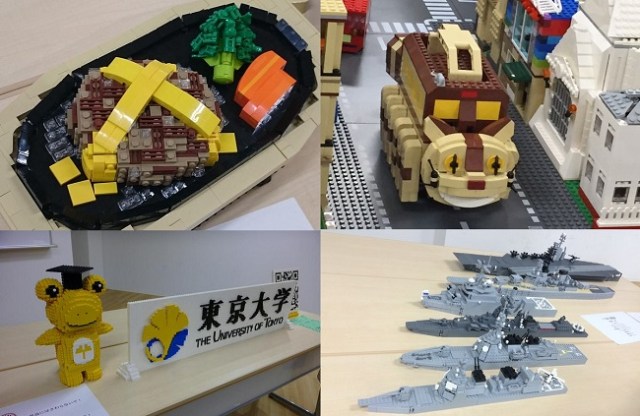
If you love Legos, these photos from the University of Tokyo’s Lego Club will make you want to go back to school and play with blocks!
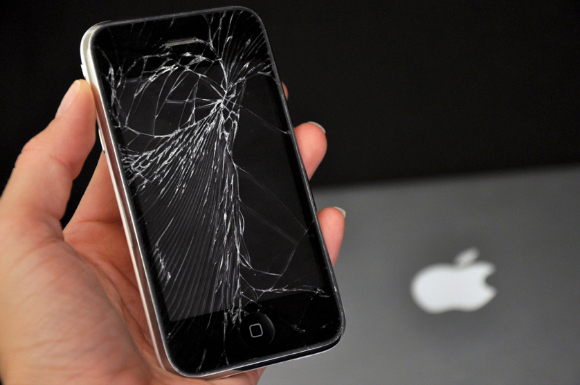
Every year, tech giants like Apple, Samsung and HTC give us more features and better, often bigger, displays to look forward to in our smartphones. But so far they still haven’t managed to come up with a way to tackle perhaps the most common problem users have, which is dropping your phone and cracking the screen.
However one research team at Tokyo University is hoping to change that by creating glass that is nearly indestructible. If the team achieves its goal, the glass could be used in everything from buildings to consumer electronics as soon as 2020.
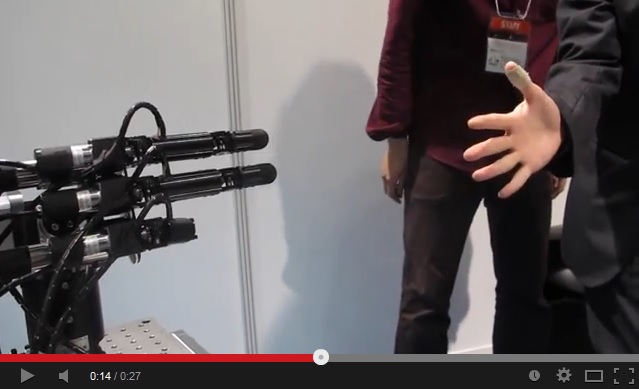
A couple of years ago we reported on a robot hand that could always win at the timeless hand game rock-paper-scissors or janken as it’s known here in Japan. After wrapping up, we confirmed that it would never lose, declared that the human race was doomed to sit in the back seats of our robot overlords, then called it a day.
Now we are surprised to learn that Tokyo University’s Ishikawa Watanabe Lab is back with an even better performing rock-paper-scissors robot, somewhat awkwardly dubbed the Janken Robot with 100% Winning Rate.
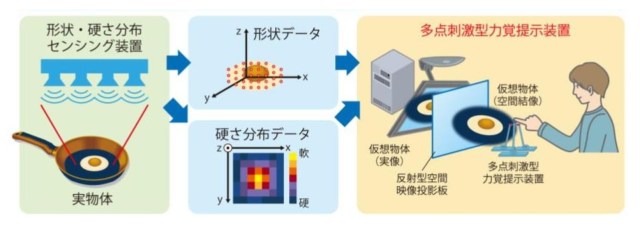
On 23 May, NHK announced that it has been working with Tokyo University to create a way to not only transmit images over long distances but to also send the sense of touch. Using this, viewers would also become able to actually feel whatever appeared on screen with their own hands.
This system makes use of Tokyo University’s newly developed device which can measure the dimensions and hardness of an object in three dimensions simultaneously. On the other end, NHK has been hard at work on a Touch/Force Display which would allow viewers to get tactile feedback from the images presented on screen.
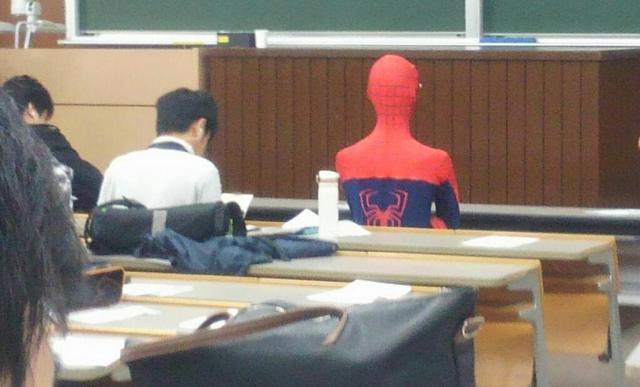
Spider-Man can apparently do whatever a spider can and that includes attending a class at the prestigious University of Tokyo. As he quietly sits in the front row of a regional geography lecture, we can’t help but wonder why his Spidey sense brought him to a boring lecture hall when he could have been swinging from the skyscrapers of Tokyo or turning into a dumpling.
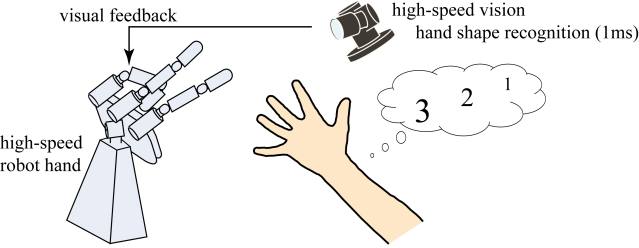
Rock-Paper-Scissors, the longstanding arbitrator of riding shotgun or eating the last slice of pizza has been celebrated for hundreds of years for its simple yet elegant balance of psychology and chance.
It’s such a part of the human experience that a robot could never out match the human mind in the RPS arena. Until now that is, as Engineers from the University of Tokyo decided to stick their noses in and build a robot that never ever loses at Rock-Paper-Scissors – ever! So how does it do it?
Since the accident at the Fukushima Daiichi Nuclear Power Plant following the terrible East Japan Earthquake in March last year, radiation has unfortunately been a topic of concern for everyone in Japan. It is therefore not surprising that a team of scientists at Tokyo University, where some of the top minds of Japan can be found, conducted a study on how radiation in seafood can be reduced. However, the results which have been reported in the media recently are not what you may expect from Japan’s premier academic institution.
According to reports, the team at Tokyo University, headed by Professor Shugo Watabe, concluded from their experiments that up to 95% of the radioactive cesium contained in fish can be removed by reducing the fish into very small pieces, close to paste form, and washing it repeatedly with water. Read More
MOST POPULAR
Now
 Foreigner’s request for help in Tokyo makes us sad for the state of society
 Japanese city loses residents’ personal data, which was on paper being transported on a windy day
 Akihabara pop-up shop sells goods made by Japanese prison inmates
 Anime girl English teacher Ellen-sensei becomes VTuber/VVTUber and NFT
 Historical figures get manga makeovers from artists of Spy x Family, My Hero Academia and more
 Should you add tartar sauce to Japanese curry rice? CoCo Ichi makes diners an unusual offer
 Suntory x Super Mario collaboration creates a clever way to transform into Mario【Videos】
 Mt. Koya planning to instate visitor’s tax to cope with huge tourist numbers
 Ghibli Park now selling “Grilled Frogs” from food cart in Valley of Witches
 Osaka governor suggests lowering voting age to 0 to curb population decline
Weekly
 McDonald’s new Happy Meals offer up cute and practical Sanrio lifestyle goods
- Foreigner’s request for help in Tokyo makes us sad for the state of society
 Japanese ramen restaurants under pressure from new yen banknotes
 French Fries Bread in Tokyo’s Shibuya becomes a hit on social media
 Studio Ghibli releases new action figures featuring Nausicaä of the Valley of the Wind characters
 New private rooms on Tokaido Shinkansen change the way we travel from Tokyo to Kyoto
 Red light district sushi restaurant in Tokyo shows us just how wrong we were about it
 Tokyo Tsukiji fish market site to be redeveloped with 50,000-seat stadium, hotel, shopping center
 All-you-can-drink Starbucks and amazing views part of Tokyo’s new 170 meter-high sky lounge
 Beautiful Ghibli sealing wax kits let you create accessories and elegant letter decorations【Pics】
Monthly
- McDonald’s new Happy Meals offer up cute and practical Sanrio lifestyle goods
- Foreigner’s request for help in Tokyo makes us sad for the state of society
 Studio Ghibli releases Kiki’s Delivery Service chocolate cake pouches in Japan
 New definition of “Japanese whiskey” goes into effect to prevent fakes from fooling overseas buyers
 Our Japanese reporter visits Costco in the U.S., finds super American and very Japanese things
 Studio Ghibli unveils Mother’s Day gift set that captures the love in My Neighbour Totoro
- Japanese ramen restaurants under pressure from new yen banknotes
- All-you-can-drink Starbucks and amazing views part of Tokyo’s new 170 meter-high sky lounge
 More foreign tourists than ever before in history visited Japan last month
 New Pokémon cakes let you eat your way through Pikachu and all the Eevee evolutions
Yearly
- McDonald’s new Happy Meals offer up cute and practical Sanrio lifestyle goods
 Sales of Japan’s most convenient train ticket/shopping payment cards suspended indefinitely
 Sold-out Studio Ghibli desktop humidifiers are back so Totoro can help you through the dry season
 Japanese government to make first change to romanization spelling rules since the 1950s
 Ghibli founders Toshio Suzuki and Hayao Miyazaki contribute to Japanese whisky Totoro label design
 Doraemon found buried at sea as scene from 1993 anime becomes real life【Photos】
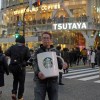 Tokyo’s most famous Starbucks is closed
 One Piece characters’ nationalities revealed, but fans have mixed opinions
 We asked a Uniqlo employee what four things we should buy and their suggestions didn’t disappoint
 Princesses, fruits, and blacksmiths: Study reveals the 30 most unusual family names in Japan
RECOMMENDED STORIES
 Should you add tartar sauce to Japanese curry rice? CoCo Ichi makes diners an unusual offer
 Suntory x Super Mario collaboration creates a clever way to transform into Mario【Videos】
 Mt. Koya planning to instate visitor’s tax to cope with huge tourist numbers
 Ghibli Park now selling “Grilled Frogs” from food cart in Valley of Witches
 Osaka governor suggests lowering voting age to 0 to curb population decline
 Harajuku Station’s beautiful old wooden building is set to return, with a new complex around it
 Smash Bros. director Sakurai stabs Kirby in the face, has delicious justification for it
 Toyota built a life-sized Miraidon Pokémon and are letting people test drive it this weekend
 Singaporeans are getting creative when it comes to combating the low fertility rate
 All-You-Can-Eat Fermented Soybeans for $8.50! Choose From Eight Types of Natto!
 Tea with free Pokémon bottle covers at Japanese convenience stores charm, then break, our hearts
 We mixed all 31 flavors of Baskin Robbins ice cream and created a Frankenstein dessert【Video】
 These apartments are crazy-small even by Tokyo standards, and super-popular with young people
-
